Buying a scooter shouldn’t be complicated. But get it wrong, and it ends up unused in a corner. Get it right, and you unlock confidence, independence, and years of riding.
Here are the three things that actually matter.

1. Get the Right Size
Size isn’t just about age. It’s about fit.
The easiest way to check? Handlebars should sit around tummy button height.
This gives:
• Better control
• Safer steering
• Comfortable posture
Common mistake: Buying a scooter "to grow into".
That usually leads to:
• Poor control
• Less confidence
• Less use
Fit first. Growth later.

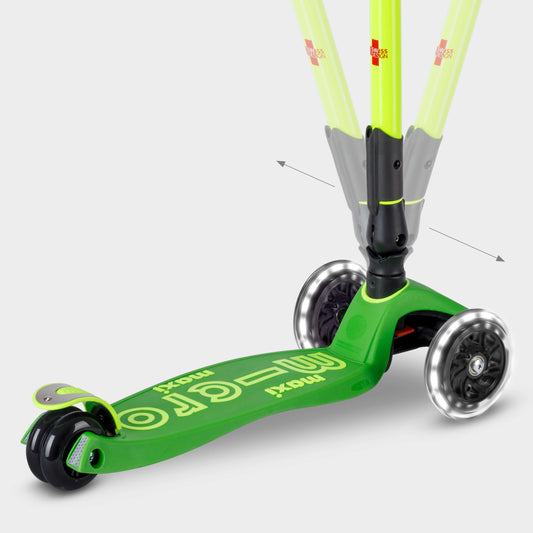
2. Start With Stability
Stability builds confidence. Confidence builds use. And use is the whole point. If your child isn’t ready for two wheels yet, don’t force it.
Why?
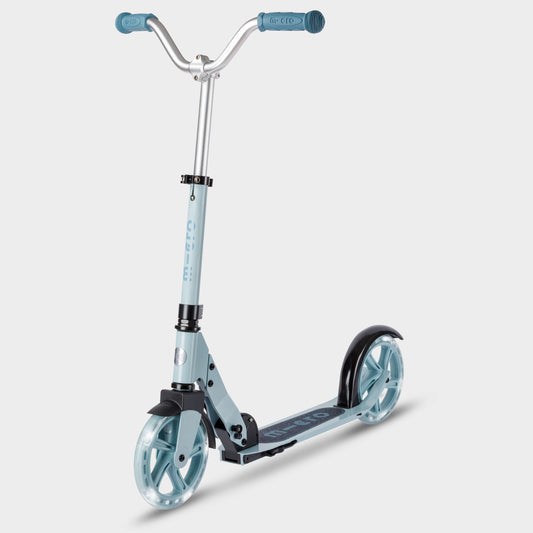
• Two-wheel scooters need balance.
• Less confident riders struggle
• Frustration kills interest fast
That’s how scooters become a one-day wonder.
Instead:
✔ Start with three wheels
✔ Let confidence develop naturally
✔ Move up when they’re ready
You'll get far more use out of it in the long run.

3. Choose Quality That Lasts
Not all scooters are built the same. Look beyond colour and price.
What actually matters:
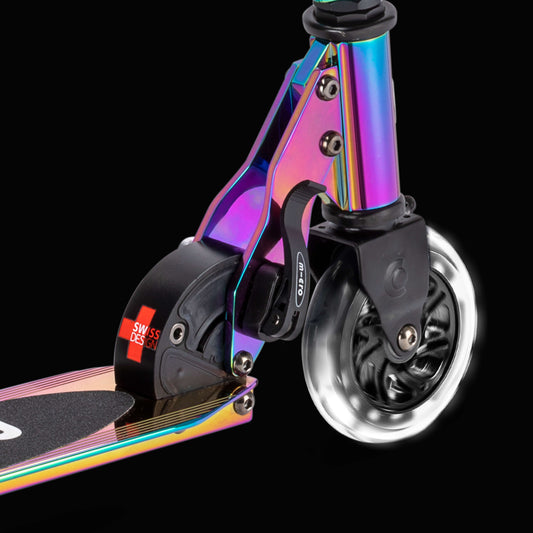
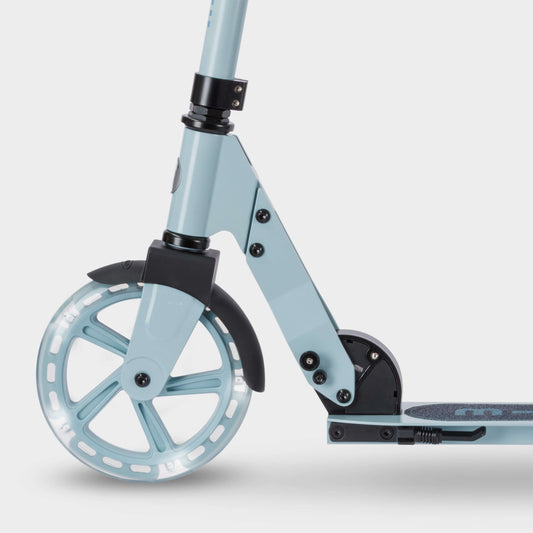
• Replaceable parts
• Solid construction
• Long-term durability
Why?
Because:
• Wheels wear out
• Grips get used
• Parts need replacing
A good scooter doesn’t get thrown away. It gets maintained.
That means:
• Better value over time
• Less waste
• Longer life
Why Getting It Right Matters
A well-chosen scooter does more than entertain.
It helps develop:
• Balance
• Coordination
• Independence
• Confidence
And it becomes something your child actually wants to use.

Quick Checklist Before You Buy
✔ Handlebar height fits properly
✔ Stability matches your child’s ability
✔ Build quality supports long-term use
Tick all three, and you're in a strong position.
FAQ: Choosing a Child’s Scooter
Should I start with a two-wheeled scooter?
Only if your child already has strong balance and confidence. Otherwise, start with three wheels.
What’s the biggest mistake parents make?
Buying a scooter that’s too big or too advanced “for later”.
Why is stability so important?
It helps children feel secure, which encourages regular use and faster skill development.
Do expensive scooters last longer?
Not always, but well-built scooters with replaceable parts usually offer better long-term value.
How do I know if the scooter fits properly?
Check handlebar height. It should sit around the tummy button with a comfortable, upright posture.