There's a parenting battle that doesn't always get talked about.
Getting your child to wear their helmet.
You know they need one for their scooting adventures. They know you'd like them to wear one. But somehow, getting that helmet onto their head can turn into a full-blown negotiation before you've even left the house.
Sound familiar?

The good news? Choosing a comfortable, correctly fitting scooter helmet can make a real difference.
Micro helmets are designed with young riders in mind, combining practical safety features with adjustable details that help children feel comfortable while they're out exploring.
Here are five things to look for when choosing a scooter helmet your child will be happy to wear.
1. Comfortable Padding Makes a Difference
One of the most common reasons children resist wearing a helmet is discomfort.
If a helmet feels hard, rubs against their head or puts pressure in the wrong places, they're unlikely to be enthusiastic about putting it on again.
That's why comfortable interior padding is an important feature.
Micro helmets include soft padding designed to sit comfortably against your child's head.
A comfortable helmet can help make the experience of wearing protective headgear feel more natural, particularly for younger children who are still getting used to it.
Why does helmet comfort matter?
A helmet that fits comfortably is less likely to become a distraction while your child is riding.
Look for padding that:
- Feels comfortable against the head
- Doesn't create obvious pressure points
- Helps the helmet sit securely
- Can be adjusted where the helmet design allows
Comfort is important, but it should always go hand in hand with a secure, correctly adjusted fit.
2. Air Vents Help Keep Little Heads Comfortable
Scooting is active work.
Whether they're heading to the park, scooting to school or exploring the neighbourhood, children can quickly warm up.
A helmet with ventilation openings allows air to circulate around the head, helping make it more comfortable to wear during activity.
Micro scooter helmets feature air vents designed to improve airflow.
This is particularly useful on warmer days or during longer scooting adventures.
A helmet that feels less hot and uncomfortable may be one that your child is more willing to keep wearing.

3. Adjustable Straps Help Create a Secure Fit
Children's heads come in different shapes and sizes, which is why choosing a helmet based on age alone isn't enough.
The right helmet needs to fit your child's head properly.
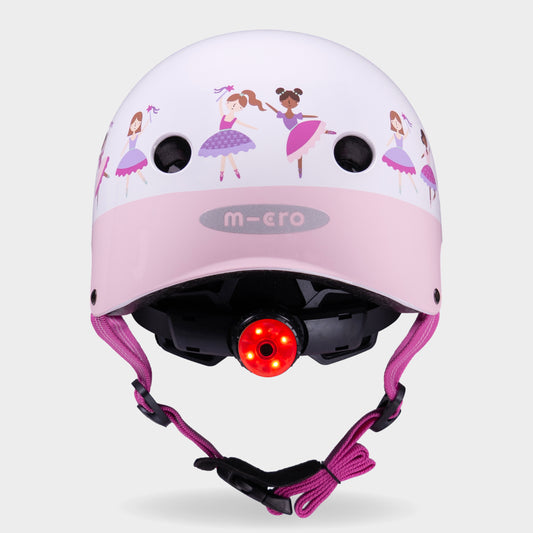
Micro helmets feature adjustable straps that allow you to fine-tune the fit.
How should a child's scooter helmet fit?
A properly fitted helmet should:
- Sit level on the head, covering the forehead
- Feel snug without being painfully tight
- Stay secure when your child gently moves their head
- Have straps that sit comfortably around the ears
- Have a fastened chin strap that isn't excessively loose
Always follow the fitting instructions supplied with your specific helmet.
Top tip: Measure your child's head circumference before buying rather than relying on their age.
4. Repositionable Padding Helps Fine-Tune the Fit
Sometimes, even when you've chosen the correct helmet size, a little adjustment can make all the difference.
Selected Micro helmets feature repositionable interior padding, allowing you to adjust the padding arrangement to help achieve a comfortable fit.
This can be particularly useful when fitting a helmet to an individual child's head shape.
However, padding adjustments should only be made in accordance with the manufacturer's instructions.
Can you adjust a child's helmet to make it fit better?
Yes, many children's helmets include adjustable straps, internal fit systems or repositionable padding.
These features help fine-tune the fit within the helmet's intended size range.
They cannot make a helmet that's fundamentally too large or too small safe to wear.
If the helmet doesn't fit correctly, choose another size or model.

5. A Rear LED Light Adds Extra Visibility
Here's a feature that parents will appreciate.
Selected Micro children's helmets feature a rear LED light to help make the wearer more noticeable to others.
It's a useful addition for family outings and journeys when visibility may be reduced.
However, a rear light is an additional visibility feature, not a substitute for appropriate supervision, safe routes or other visibility precautions.
And, of course, the helmet's primary purpose remains head protection.
Micro Scooter Helmet Features at a Glance
|
Feature |
Why It Matters |
|
Comfortable interior padding |
Helps reduce discomfort during scooting |
|
Air vents |
Encourage airflow around the head |
|
Adjustable straps |
Help achieve a secure, personalised fit |
|
Repositionable padding on selected models |
Allows further adjustment within the intended size range |
|
Rear LED light on selected models |
Adds an extra visibility feature |
|
Child-focused designs |
Give children a choice of colours and styles they may enjoy wearing |
How to Encourage Your Child to Wear Their Scooter Helmet
Choosing the right helmet is a great starting point, but there are a few other things parents can try.
Let Them Choose Their Own Design
Children often enjoy having a say in what they wear.
Allowing your child to choose from suitable helmet colours and designs can help them feel more involved in the decision.
You choose a helmet that meets the relevant safety requirements and fits correctly. They get to choose the look they love.
Make the Helmet Part of the Scooting Routine
Consistency can help turn helmet wearing into a habit.
Try introducing a simple rule:
Helmet on before scooter wheels roll.
Keep the helmet alongside the scooter so it's easy to find when you're heading out.
Check for Discomfort
If your child repeatedly removes their helmet, ask what feels uncomfortable.
Is the chin strap rubbing? Does the helmet feel too tight? Are they getting hot?
A small adjustment may help, but never compromise the helmet's secure fit just to make it feel looser.
Lead by Example
Children often copy the adults around them.
If you're scooting or cycling alongside your child, wearing your own properly fitted helmet can help reinforce the routine.
Praise the Habit
Positive encouragement can help younger children build good habits.
Rather than making helmet wearing a daily argument, acknowledge when your child remembers to put it on before heading outside.
How to Choose the Right Scooter Helmet for Your Child
Before buying a children's scooter helmet, check these four things.
1. Head circumference
Measure around the widest part of your child's head, just above the eyebrows and ears, and compare the measurement with the manufacturer's size guide.
2. Safety standards
Choose a helmet that meets the relevant safety requirements for its intended use. For children's scooter helmets sold in the UK, look for appropriate product information and conformity markings.
3. Comfort and adjustability
Look for features such as comfortable padding, ventilation and adjustable straps.
4. The correct fit
A helmet should sit securely without slipping backwards, forwards or sideways. Check the fit every time your child wears it.

Less Helmet Fuss, More Scooting Fun
Getting children to wear their helmet doesn't have to become a daily negotiation.
Sometimes, the answer starts with choosing one that fits properly, feels comfortable and looks like something they actually want to wear.
With thoughtful features including comfortable padding, ventilation, adjustable straps and rear LED lights on selected models, Micro children's helmets are designed to make helmet wearing a more comfortable part of everyday scooting.
Because the quicker the helmet goes on, the sooner the adventures can begin.
Explore the Micro children's helmet range and find the right fit for your little rider.
Frequently Asked Questions About Children's Scooter Helmets
How do I get my child to wear a scooter helmet?
Start by choosing a correctly fitting, comfortable helmet. Let your child choose a design they like, make helmet wearing part of the routine and check for discomfort if they resist. Positive encouragement and consistent expectations can help.
Should children wear a helmet when riding a scooter?
Wearing a properly fitted helmet is strongly recommended for children riding kick scooters. Helmets can help reduce the risk of certain head injuries in a fall, although they cannot prevent every injury.
How should a child's scooter helmet fit?
A child's scooter helmet should sit level on the head, cover the forehead and remain secure without excessive movement. The straps should be adjusted according to the manufacturer's instructions.
How do I measure my child's head for a scooter helmet?
Use a flexible tape measure around the widest part of your child's head, just above the eyebrows and ears. Compare the measurement with the manufacturer's helmet size chart.
Are Micro scooter helmets adjustable?
Micro children's helmets feature adjustable fitting elements, depending on the model. These may include adjustable straps, internal fit systems and repositionable padding. Always check the individual product specifications.
Do Micro scooter helmets have lights?
Selected Micro helmets include a rear LED light to provide an additional visibility feature. Check the product details to confirm whether the model you're considering includes a light.
Can my child wear a helmet that's slightly too big so they can grow into it?
No. A helmet that's too large may move out of position during a fall. Choose a helmet that fits securely now rather than buying a larger size for future growth.
When should I replace my child's scooter helmet?
Replace a helmet after an impact where the manufacturer recommends replacement, even if damage isn't visible. Also replace it if it's damaged, no longer fits correctly or has reached the manufacturer's recommended service life.